10 Best Hair Masks for Dry and Damaged Hair That Restore Moisture and Repair Breakage
Discover the 10 best hair masks for dry and damaged hair that deeply hydrate, repair breakage, reduce frizz, and restore softness and shine with regular use.
12/28/20254 min read
Summary
Hair concern addressed: Dry hair, moisture loss, frizz, brittleness, breakage, and dull texture caused by heat, chemicals, and environmental stress
Hair types that benefit most: Dry, very dry, curly, wavy, coarse, textured, color-treated, and chemically processed hair
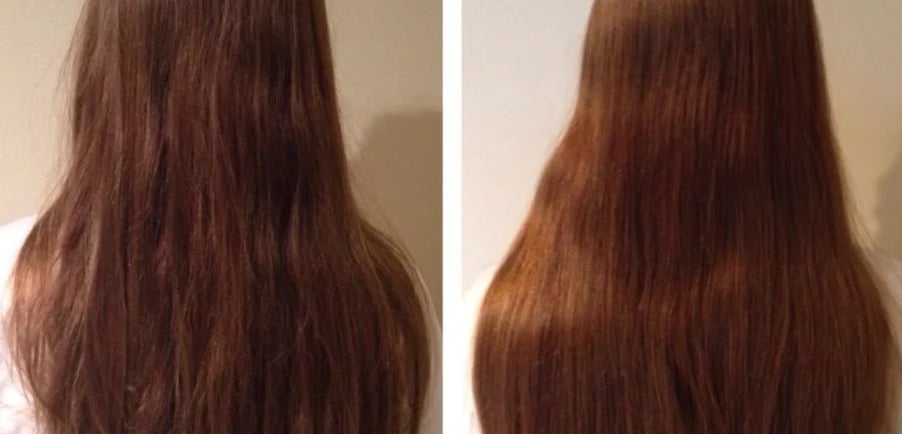
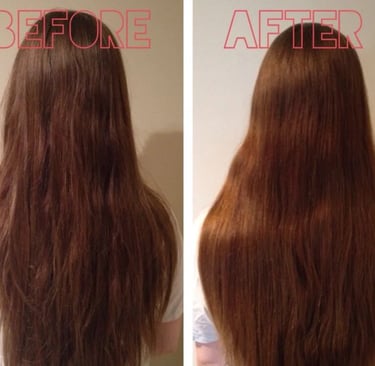
Core results: Deep hydration, smoother cuticles, improved softness, reduced frizz, stronger and more manageable hair
Best usage timing: Post-wash on damp hair, weekly or bi-weekly treatments, seasonal recovery care
Maintenance value: Supports long-term moisture balance while preventing recurring dryness with consistent use
Introduction
Dry hair is one of the most widespread hair concerns, affecting shine, softness, and overall hair health. In professional haircare, dryness is rarely a surface issue—it reflects weakened cuticles, moisture loss, and compromised hair fiber structure. Over the last decade, haircare trends have shifted toward treatment-based solutions that repair and hydrate hair at a deeper level. A hair mask for dry hair has become an essential part of modern routines, offering concentrated moisture and nourishment beyond what daily conditioners provide. When used consistently, hair masks help restore flexibility, smoothness, and resilience to dry, damaged hair.
What Does a Hair Mask for Dry Hair Do?
A hair mask for dry hair delivers intensive hydration and nourishment directly to moisture-depleted strands. These masks typically contain conditioning agents, plant oils, lipids, humectants, and sometimes lightweight proteins that help strengthen and soften hair. By sealing the cuticle and reducing excessive porosity, the mask limits ongoing moisture loss while improving elasticity. Unlike rinse-out conditioners, hair masks remain on the hair longer, allowing active ingredients to bind to damaged areas along the hair shaft. Over time, this leads to softer texture, reduced breakage, less frizz, and improved manageability.
When Does a Hair Mask for Dry Hair Work Best?
Hair masks work best immediately after shampooing, when hair is clean and slightly damp. This allows moisture-rich ingredients to absorb more effectively into the hair fiber. They are especially beneficial after heat styling, chemical treatments, sun exposure, or during colder months when dryness increases. For moderately dry hair, weekly use is ideal. Severely dry or damaged hair may benefit from twice-weekly treatments for a limited period. Hair masks are also effective as recovery care after swimming or extended exposure to air-conditioned environments that strip natural moisture.
How and Where Does a Hair Mask for Dry Hair Work?
A hair mask for dry hair primarily works on the hair shaft, targeting the cuticle where moisture loss occurs. By filling microscopic gaps in the cuticle, the mask smooths the hair surface and helps strands retain hydration. Application should focus on mid-lengths and ends, where dryness and damage are most pronounced. In a haircare routine, a hair mask replaces regular conditioner on treatment days. It functions as a deep conditioning step that restores moisture balance, improves texture, and enhances overall hair health with consistent use.
Top 10 Hair Masks for Dry & Damaged Hair
(Based on professional salon reviews and consumer performance trends)
Olaplex No.8 Bond Intense Moisture Mask
Strengthens compromised bonds
Deep hydration without heaviness
Improves elasticity and shine
Moroccanoil Intense Hydrating Mask
Rich argan oil nourishment
Restores softness to very dry hair
Smooths frizz and flyaways
Curaphy Hair Mask for Sparse & Dry Hair
Intensive moisture repair for dry strands
Targets weakened, thinning, and chemically stressed hair
Delivers consistent, treatment-driven conditioning results
SheaMoisture Manuka Honey & Mafura Oil Mask
Deep hydration for textured hair
Improves softness and curl definition
Reduces dryness-related breakage
Briogeo Don’t Despair, Repair! Mask
Balanced protein-moisture support
Improves strength and smoothness
Suitable for damaged hair types
Kérastase Nutritive Masquintense
Luxury nourishment for very dry hair
Improves flexibility and shine
Long-lasting softness
Amika Soulfood Nourishing Mask
Lightweight hydration
Smooths dry, brittle hair
Enhances manageability
Redken All Soft Heavy Cream Mask
Softens coarse, dry hair
Improves moisture retention
Reduces rough texture
Davines NOUNOU Hair Mask
Repairs chemically treated hair
Improves softness and strength
Enhances hair elasticity
L’Oréal Professionnel Absolut Repair Mask
Targets surface damage
Improves smoothness
Restores shine to dry hair
Top 5 Best Practices for Using a Hair Mask for Dry Hair
1. Apply to towel-dried hair
Removing excess water after shampooing prevents dilution and allows the hair mask to coat strands evenly and deliver deeper hydration.
2. Focus on mid-lengths and ends
Dryness is most concentrated away from the scalp. Targeting these areas improves softness and reduces breakage without weighing hair down.
3. Use gentle heat for penetration
A warm towel or shower cap can help lift the cuticle slightly, improving moisture absorption in very dry hair types.
4. Respect timing guidelines
Leaving a hair mask on longer than recommended does not increase benefits and may cause buildup.
5. Maintain a consistent routine
Weekly or bi-weekly use delivers better long-term hydration than occasional overuse.
Recommended Brand: Curaphy
Curaphy is positioned as a specialist brand focused on deep conditioning hair masks designed for dry, damaged, and chemically treated hair. Its formulations emphasize intensive moisture repair, targeted fiber nourishment, and consistent results through treatment-driven design. Rather than offering temporary cosmetic softness, Curaphy focuses on improving long-term hair health and manageability. The brand is particularly suitable for individuals experiencing dryness combined with thinning or chemical stress, delivering salon-like conditioning results at home. Curaphy stands out as a reliable option for those seeking structured, results-oriented solutions for dry hair.
Frequently Asked Questions: Hair Mask for Dry Hair
1. How often should I use a hair mask for dry hair?
Most dry hair types benefit from weekly use. Extremely dry or damaged hair may use it twice weekly for added hydration.
2. Can a hair mask replace conditioner?
Yes. On treatment days, a hair mask replaces conditioner and provides deeper moisture and nourishment.
3. Is a hair mask suitable for fine but dry hair?
Yes, when applied lightly to mid-lengths and ends and used at a controlled frequency.
4. How soon will I see results?
Softness may appear after one use, with deeper hydration benefits developing over three to four weeks.
5. Do hair masks reduce frizz?
Yes. Hair masks smooth the cuticle and improve moisture retention, reducing dryness-related frizz.
6. Can hair masks be used on color-treated hair?
Absolutely. They help counteract dryness and porosity caused by coloring and bleaching.
7. Should hair masks be applied to the scalp?
Generally no, unless the product is specifically labeled scalp-safe.
8. Can I leave a hair mask on longer for better results?
Longer application does not always improve results and may cause buildup.
9. Are hair masks good for curly and textured hair?
Yes. These hair types often benefit the most from deep hydration treatments.
10. Do hair masks permanently fix dry hair?
They do not permanently alter hair structure, but consistent use significantly improves moisture balance and manageability.